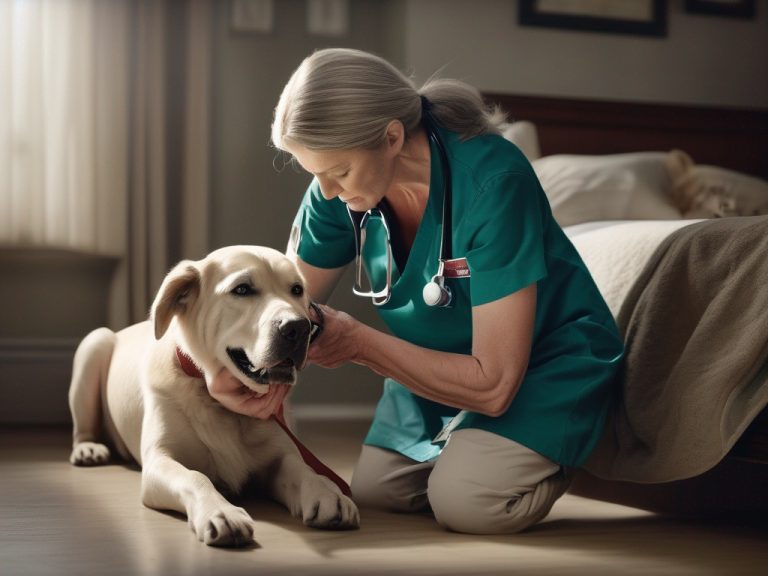
Dealing With Canine Respiratory Issues: A Comprehensive Guide


Dealing with canine respiratory issues can be a challenging and worrisome experience for dog owners. Whether your dog is experiencing coughing, wheezing, or difficulty breathing, it’s important to understand the underlying causes and how to provide the best care for your furry friend.
In this comprehensive guide, we’ll explore common respiratory issues in dogs, including allergies, infections, and chronic conditions. We’ll also discuss symptoms to look out for, potential treatment options, and preventive measures you can take to support your dog’s respiratory health. Let’s dive in and learn more about managing canine respiratory issues.
Common Canine Respiratory Issues
When it comes to respiratory issues, dogs can experience a variety of problems. Let’s take a closer look at some of the most common ones that our furry friends may encounter.
Causes of Canine Respiratory Issues
Wondering why your furry friend is experiencing respiratory issues? Let’s explore some of the common causes:
Infections: Just like humans, dogs can get respiratory infections. Whether it’s a virus or bacteria, these infections can lead to coughing, sneezing, and difficulty breathing.
Allergies: Dogs can be allergic to various substances, such as pollen, dust, or certain foods. Allergic reactions can trigger respiratory symptoms like sneezing, itching, and wheezing.
Environmental irritants: Poor air quality or exposure to smoke, chemicals, or other irritants can irritate a dog’s respiratory system and cause respiratory issues.
Foreign objects: Dogs are curious creatures and may inhale or ingest foreign objects that can obstruct their airways and lead to respiratory problems.
Brachycephalic breed characteristics: Some dog breeds, like Bulldogs and Pugs, are brachycephalic, meaning they have short noses and flat faces. These breeds are more prone to respiratory issues due to their anatomy.
Heart conditions: Certain heart conditions can cause fluid to accumulate in a dog’s lungs, leading to difficulty breathing.
Tumors or growths: In some cases, respiratory issues in dogs can be caused by tumors or growths in the respiratory system that obstruct the airways.
It’s important to consult with a veterinarian to determine the underlying cause of your dog’s respiratory issues and develop an appropriate treatment plan.
Symptoms of Canine Respiratory Issues
When it comes to respiratory issues in our furry friends, it’s important to pay attention to the signs. Here are some common symptoms to look out for:
Coughing
A persistent cough can be a sign that your dog is experiencing a respiratory issue. It may be dry or productive (with phlegm), and may worsen with activity or at night.
Sneezing
Just like humans, dogs can sneeze to clear irritants from their nasal passages. However, frequent or excessive sneezing may indicate a respiratory problem.
Difficulty Breathing
Labored or rapid breathing, wheezing, or shortness of breath are all signs that your dog may be having trouble with their respiratory system.
Nasal Discharge
If you notice mucus or discharge coming from your dog’s nose, particularly if it is thick or discolored, it could be a sign of respiratory issues.
Blue or Pale Gums
A bluish or pale color to the gums can indicate a lack of oxygen in the blood. If you notice this, it’s important to seek veterinary care immediately.
Loss of Appetite or Energy
Respiratory issues can make your dog feel fatigued or uninterested in food. If you notice a decrease in appetite or energy levels, it could be related to their respiratory health.
Squinting or Watery Eyes
Respiratory issues can sometimes cause eye discomfort or irritation, leading to squinting or excessive tearing.
If your dog is exhibiting any of these symptoms, it’s best to consult with your veterinarian for a proper diagnosis and treatment plan. Early detection and intervention can help ensure your furry friend gets the care they need to breathe easy.
Diagnosis of Canine Respiratory Issues
When it comes to diagnosing respiratory issues in dogs, it’s essential to take a comprehensive approach. Here are the key steps involved in the diagnosis process:
1. Physical Examination: The first step is a thorough physical examination by a veterinarian. They will listen to your dog’s breathing, check for any abnormalities, and assess their overall health.
2. Medical History: Providing your dog’s medical history is crucial in helping the veterinarian understand the context of the respiratory issues. Be prepared to share information about any previous illnesses, medications, or recent changes in behavior or environment.
3. Diagnostic Tests: Depending on the specific symptoms and suspected underlying causes, various diagnostic tests may be conducted. These can include:
- Complete Blood Count (CBC): This test helps evaluate the overall health of your dog, including possible infection or inflammation.
- Radiography (X-Ray): X-rays can provide detailed images of the lungs and airways, helping identify any abnormalities or changes.
- Computed Tomography (CT) Scan: CT scans may be recommended for a more detailed and three-dimensional view of the respiratory system.
- Tracheal Wash or Bronchoscopy: These procedures involve collecting samples from the respiratory tract to analyze for infections, inflammation, or cancer.
- Microbiological Culture: Collecting and culturing samples from the respiratory tract can help identify specific bacteria or fungi causing the respiratory issues.
4. Consultation and Referrals: In complex cases or if a specialist’s expertise is required, your veterinarian may recommend a consultation with a veterinary pulmonologist or refer you to a specialized facility for further evaluation.
5. Additional Tests: Depending on the initial findings, additional tests such as blood gas analysis, allergy testing, or respiratory function tests may be necessary to provide a comprehensive diagnosis.
It’s important to remember that the diagnosis process may vary depending on the specific respiratory issue and the veterinarian’s professional judgment. Always trust your veterinarian’s expertise and follow their recommendations for diagnosis and treatment.
Treatment Options for Canine Respiratory Issues
When it comes to treating respiratory issues in dogs, there are several options available to help your furry friend breathe easier. Let’s explore some of the common treatment approaches.
Medication
In many cases, medication is a key component of treating canine respiratory issues. Depending on the specific condition, your veterinarian may prescribe antibiotics to combat bacterial infections, corticosteroids to reduce inflammation and swelling, or bronchodilators to open up the airways and make breathing easier. It’s important to follow your vet’s instructions for administering medication and complete the full course of treatment.
Oxygen Therapy
In severe cases of respiratory distress, your dog may require oxygen therapy. This involves providing supplemental oxygen through a mask or nasal cannula to help your dog breathe and improve oxygen levels in the bloodstream. Oxygen therapy is typically administered in a veterinary clinic or hospital setting.
Environmental Management
Making changes to your dog’s environment can also play a role in managing respiratory issues. For example, if your dog has allergies, reducing exposure to allergens such as pollen, dust mites, or certain foods may help alleviate their symptoms. Keeping the air in your home clean with filtration systems or regularly cleaning your dog’s bedding can also make a difference.
Surgery
In some cases, surgical intervention may be necessary to treat canine respiratory issues. This could involve removing obstructions or growths in the airway, repairing structural abnormalities, or correcting issues with the nasal passages or throat. Surgery is typically reserved for more severe or chronic conditions that cannot be effectively managed with medication or other non-invasive treatments.
Supportive Care
Supportive care measures can also be implemented to help your dog during their recovery. This may include providing a comfortable and quiet space for them to rest, ensuring they stay hydrated, and monitoring their symptoms closely. Your vet may also recommend additional treatments such as nebulization therapy or physiotherapy to help alleviate respiratory distress and improve lung function.
Remember, it’s crucial to consult with your veterinarian to determine the best treatment plan for your dog’s specific respiratory issue. They will be able to provide you with personalized guidance and recommendations based on your dog’s health and the underlying cause of their respiratory symptoms.
Preventing Respiratory Issues in Dogs
Keeping your furry friend healthy and happy includes taking steps to prevent respiratory issues. Here are some tips to keep those sniffles and coughs at bay:
- Maintain a Clean Environment: Regularly clean your dog’s living space, including bedding and toys, to minimize the build-up of allergens and irritants.
- Avoid Exposure to Smoke and Chemicals: Secondhand smoke and certain household chemicals can irritate your dog’s respiratory system. Keep them away from these harmful substances.
- Provide Adequate Ventilation: Proper air circulation is important to prevent the accumulation of dust and other allergens. Open windows or use fans to keep the air fresh.
- Keep Vaccinations Up to Date: Ensure that your dog is up to date on all necessary vaccinations to protect against respiratory infections.
- Regular Exercise: Regular exercise helps strengthen your dog’s respiratory system and keeps them in overall good health.
- Grooming and Hygiene: Regularly groom your dog to keep their coat clean and prevent the accumulation of dirt and allergens. Additionally, maintain good dental hygiene to prevent oral infections that can impact the respiratory system.
- Proper Nutrition: Provide your dog with a balanced diet that supports their immune system and overall health. Consult with your veterinarian to determine the best diet for your dog’s specific needs.
By following these preventive measures, you can reduce the risk of respiratory issues in your beloved canine companion.
When to Seek Veterinary Care for Canine Respiratory Issues
As a responsible dog owner, it’s important to know when to seek veterinary care for your canine companion’s respiratory issues. While some minor respiratory symptoms may resolve on their own, certain situations warrant immediate medical attention. Here are some signs that indicate it’s time to bring your dog to the vet:
Severe or Persistent Symptoms
If your dog is experiencing severe respiratory distress, such as gasping for air, wheezing excessively, or struggling to breathe, it’s crucial to seek veterinary care immediately. Furthermore, if your dog’s respiratory symptoms persist for more than a few days without improvement, a visit to the vet is warranted.
Coughing up Blood or Choking
Coughing up blood or choking episodes are serious indications of a respiratory issue that requires immediate veterinary attention. These symptoms may be signs of a significant underlying problem, such as an obstruction in the airway or a severe infection.
Changes in Behavior or Appetite
If your dog’s respiratory issues are accompanied by changes in behavior or appetite, it could be a sign of a more serious condition. For example, if your dog becomes lethargic, refuses to eat or drink, or shows signs of pain or discomfort, it’s important to consult with a veterinarian.
Fever or Other Systemic Symptoms
If your dog has a fever, along with respiratory symptoms, it could indicate a bacterial or viral infection that requires medical treatment. Other systemic symptoms to look out for include weakness, loss of coordination, or pale gums. These signs could be indicative of a more serious respiratory issue that needs immediate attention.
Remember, as a dog owner, you know your pet best. If you notice any concerning respiratory symptoms or changes in your dog’s overall health, it’s always better to err on the side of caution and consult with a veterinarian. They can provide the necessary expertise and treatment to ensure your furry friend receives the care they need.
Conclusion
Dealing with canine respiratory issues can be a challenge, but with proper care and attention, it is possible to manage and treat these conditions. It is important to be aware of the common causes and symptoms of respiratory issues in dogs, as well as the available treatment options.
Additionally, prevention is key in keeping your dog’s respiratory system healthy. Regular exercise, a balanced diet, and maintaining a clean living environment can help reduce the risk of respiratory issues. However, if you notice any concerning symptoms or your dog is struggling to breathe, it is important to seek veterinary care promptly.
Remember, your dog’s health and well-being are dependent on your vigilance and care. By staying educated and proactive, you can help keep your furry friend happy and healthy for years to come.