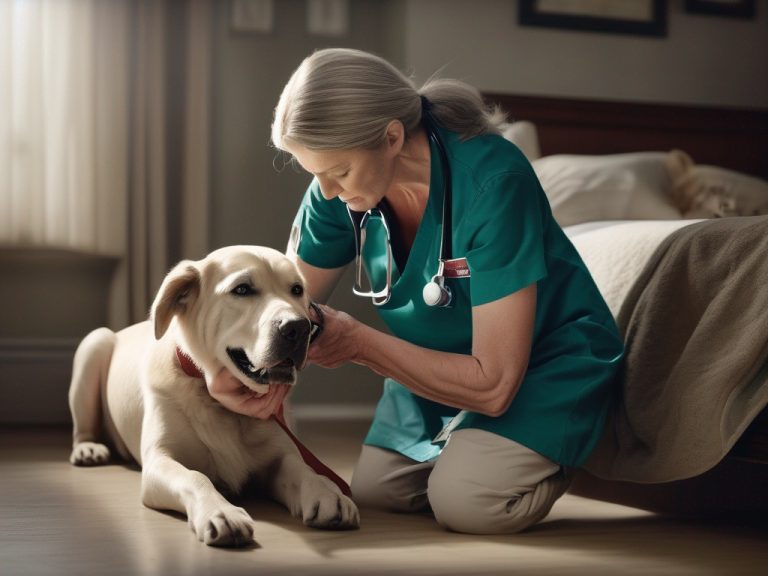
Grooming Your Dog For Health and Hygiene: Tips and Techniques


When it comes to taking care of your furry friend, grooming plays a crucial role in their overall health and hygiene. Proper grooming not only keeps your dog looking clean and beautiful but also helps prevent various health issues.
In this article, we’ll explore the importance of grooming for dogs, discuss some essential grooming techniques, and provide useful tips to make the process easier for both you and your dog. So, let’s dive in and learn the best ways to groom your dog for optimal health and hygiene.
Benefits of Regular Grooming for Dogs
Regular grooming for dogs isn’t just about making them look good—it’s essential for their health and well-being. Let’s take a closer look at the benefits of regular grooming:
Healthy Skin and Coat
Regular brushing helps remove dirt, debris, and dead hair from your dog’s coat, promoting healthy skin and reducing the risk of skin irritations or infections. It also helps distribute natural oils, keeping their coat moisturized and shiny.
Preventing Matting and Tangling
Brushing your dog’s coat helps prevent matting and tangling, which can be uncomfortable and painful for your furry friend. Mats can also trap moisture and dirt, leading to skin issues. Regular grooming sessions keep their coat tangle-free and more manageable.
Reducing Shedding
Regular brushing helps control shedding by removing loose and dead hair before it ends up all over your home. This is especially important for dogs with long or double coats, as they tend to shed more. Plus, less hair means fewer allergens in the air for allergy sufferers.
Checking for Skin Issues
During grooming sessions, you have the opportunity to inspect your dog’s skin for any redness, lumps, or signs of parasites like fleas or ticks. Early detection means prompt treatment, preventing any potential health problems from worsening.
Keeping Nails Trimmed
Regular nail trimming is crucial for your dog’s comfort and overall health. Overgrown nails can cause pain or difficulty walking, and they can also break or split, leading to infections. Grooming sessions give you the chance to trim their nails safely and prevent such issues.
Ear Health Maintenance
Cleaning your dog’s ears regularly helps prevent ear infections and keeps them free from wax buildup, debris, or ear mites. It’s an essential part of their grooming routine that ensures their ears stay clean and healthy.
Regular grooming not only keeps your dog looking their best, but it also contributes to their overall health and well-being. Make grooming sessions a positive experience for your furry friend by using gentle techniques, rewarding them with treats, and providing lots of praise and affection.
Bathing Your Dog
Bath time! It’s not just for humans, it’s for our furry friends too. Whether they love it or hate it, regular bathing is an essential part of dog grooming. Let’s dive into the world of doggy baths.
Frequency of Baths
How often should you give your pup a bath? It depends on their breed, lifestyle, and individual needs. Some dogs may only need a bath every few months, while others may need one every few weeks. Consult with your veterinarian to determine the best bathing schedule for your furry friend.
Choosing the Right Shampoo
When it comes to dog shampoo, there are plenty of options to choose from. Look for a shampoo specifically formulated for dogs, as human shampoos can be too harsh for their sensitive skin. If your dog has any skin conditions or allergies, consult with your veterinarian for a shampoo recommendation.
Preparing for the Bath
Before bath time, gather all the necessary supplies: shampoo, towels, and a brush. Brush your dog’s coat to remove any tangles or loose hair. This will make the bathing process easier and help prevent matting. Place a non-slip mat in the tub or use a handheld showerhead for easy rinsing.
The Bathing Process
Fill the tub with warm water, making sure it’s not too hot or too cold for your dog. Wet your pup thoroughly, taking care to avoid getting water in their ears. Apply the shampoo, lather it into their coat, and gently massage their skin. Rinse thoroughly to remove all traces of shampoo.
Drying and Brushing
After the bath, use a towel to gently dry your dog, removing as much water as possible. If your dog tolerates it, you can also use a hairdryer on the lowest heat setting. Once your dog is mostly dry, brush their coat to remove any tangles and promote proper air circulation.
Remember, bathing is just one part of a healthy grooming routine. Regular brushing, nail trimming, and ear cleaning are also important for your dog’s overall health and hygiene. And of course, don’t forget to give them plenty of treats and praise for being such a good sport during bath time!
Brushing Your Dog’s Coat
Brushing your dog’s coat is not just about keeping them looking good, it’s also important for their overall health and well-being. Regular brushing helps to remove loose hair, dirt, and debris, prevents matting and tangling, stimulates blood circulation, and distributes natural oils for a healthy coat. Here are some tips to make brushing your dog easier and more effective.
Choose the Right Brush
Every dog has different coat types, so it’s important to choose a brush that is suitable for your dog’s specific needs. Slicker brushes work well for dogs with medium to long hair, while bristle brushes are better for short-haired breeds. If your dog has a double coat, like a Husky or a Golden Retriever, a de-shedding tool can help remove excess hair.
Create a Positive Experience
Make brushing a positive experience for your dog by providing treats, praise, and rewards. Start grooming sessions when your dog is relaxed and calm, and gradually increase the duration as they become more comfortable. Use gentle and slow strokes to prevent any discomfort or pain. If your dog shows signs of anxiety or aggression during grooming, it may be best to seek the help of a professional groomer.
Brush in the Right Direction
When brushing your dog’s coat, follow the natural direction of their hair growth. This will help to remove tangles and knots without causing any discomfort. For dogs with longer hair, it may be necessary to use a comb to detangle any stubborn mats. Be patient and gentle while removing mats, and consider using a detangling spray or conditioner for easier brushing.
Regular Schedule
Establish a regular grooming schedule for your dog to keep their coat in top condition. The frequency of brushing depends on the breed and length of their hair, but most dogs benefit from at least a weekly brushing session. Regular brushing also allows you to check for any signs of skin issues, parasites, or lumps that may require veterinary attention.
Pay Attention to Sensitive Areas
Some areas of your dog’s body may be more sensitive than others, such as the belly, ears, and tail. Take extra care when brushing these areas to avoid causing any discomfort or pain. Use a soft brush or your fingers to gently groom these sensitive areas. If your dog has long hair around their ears, consider using ear wipes or a dog-safe ear cleaner to prevent infections.
Remember, grooming your dog is not just about appearance, it’s about promoting their health and well-being. Regular brushing sessions can be a bonding experience for you and your dog while ensuring they look and feel their best.
Nail Trimming for Dogs
Every dog owner knows the struggle of nail trimming. It can be a daunting task, but it’s an important part of your dog’s grooming routine. Let’s dive into the world of nail trimming and learn some tips and techniques to make it easier for both you and your furry friend.
The Importance of Nail Trimming
Nail trimming is essential for your dog’s health and comfort. Long nails can cause a variety of problems, including pain, difficulties in walking, and even injuries. Regular nail trimming helps prevent these issues and keeps your dog’s paws in good condition.
Tools for Nail Trimming
To trim your dog’s nails, you’ll need a few essential tools:
- Nail Clippers: Choose a pair of nail clippers that are specifically designed for dogs. There are two main types: guillotine-style clippers and scissor-style clippers. Experiment with both to see which one you and your dog are most comfortable with.
- Nail Grinder: A nail grinder is an alternative to clippers and works by grinding down the nails instead of cutting them. This can be a good option for dogs who are afraid of the clippers or have very hard nails.
- Styptic Powder: Keep some styptic powder on hand in case you accidentally cut your dog’s nails too short and nick the quick. Styptic powder helps stop bleeding quickly.
- Treats: Treats are a must-have tool to keep your dog calm and reward them for good behavior during the nail trimming process.
Techniques for Nail Trimming
Nail trimming can be a bit tricky, especially if your dog is anxious or resistant. Here are some techniques to make the process smoother:
- Get Your Dog Accustomed: Start by getting your dog used to having their paws touched. Regularly handle their paws and gently touch their nails to help them get comfortable with the sensation.
- Go Slow and Be Patient: Take the nail trimming process slow and steady. Trim a little bit at a time and give your dog breaks if needed. It’s better to do multiple shorter sessions than one long and stressful one.
- Watch Out for the Quick: The quick is the sensitive blood vessel inside the nail. Avoid cutting too close to it, as it can cause bleeding and pain. If your dog has light-colored nails, it’s easier to see the quick as a pinkish area. For dark-colored nails, proceed with caution and trim small amounts at a time.
- Stay Calm and Positive: Dogs can sense your emotions, so it’s important to stay calm and positive during the nail trimming process. Use treats and praise to reward your dog for good behavior.
If you’re unsure or uncomfortable with nail trimming, you can always seek the help of a professional groomer or veterinarian. They have the experience and knowledge to trim your dog’s nails safely and efficiently.
Ear Cleaning for Dogs
Ears. Dogs got ’em. And they need love too. That’s right, it’s time to clean those adorable floppy ears. Keep ’em healthy and happy with these ear cleaning tips.
Why Clean Your Dog’s Ears
First things first, why bother cleaning your dog’s ears? Well, for starters, it helps prevent ear infections. When dirt, wax, and debris build up in the ear canal, it can create the perfect environment for bacteria and yeast to thrive. Regular cleaning can also help detect any potential issues early on, such as ear mites or allergies. Plus, it’s a great bonding activity with your furry friend!
How to Clean Your Dog’s Ears
Now that you know why it’s important, let’s talk about how to actually clean those ears. Here’s a step-by-step guide:
- Gather the right supplies: You’ll need ear cleaning solution (specifically made for dogs), cotton balls or pads, and treats to reward your pup.
- Prepare your dog: Find a quiet and comfortable space where your dog can relax. Gently restrain your dog if necessary, but make sure to keep them calm and happy.
- Examine the ears: Take a look inside your dog’s ears to check for any redness, swelling, or discharge. If you notice anything unusual or your dog is showing signs of discomfort, consult your veterinarian.
- Apply the ear cleaning solution: Follow the instructions on the ear cleaning solution bottle. Usually, you’ll need to fill the ear canal and gently massage the base of the ear for about 30 seconds. This helps loosen any debris and allows the solution to work its magic.
- Clean the outer ear: Use a cotton ball or pad to carefully wipe the visible part of the ear, removing any excess solution and dirt. Avoid going too deep into the ear canal, as this can cause injury.
- Reward your pup: Don’t forget to praise and reward your dog for their good behavior. This positive reinforcement makes the whole experience more enjoyable for both of you.
And there you have it! Regular ear cleaning can help maintain your dog’s ear health and prevent any potential issues. Remember to consult your veterinarian if you have any concerns or if your dog has a history of ear problems.
Tools and Products for Dog Grooming
Grooming your dog is an essential part of their overall health and hygiene. Having the right tools and products can make the grooming process easier and more effective. Here are some must-have items for grooming your furry friend:
- Dog Brush: Choose a brush that is suitable for your dog’s coat type. Slicker brushes are great for removing tangles and mats, while bristle brushes are ideal for dogs with short coats.
- Dog Shampoo: Use a gentle and dog-specific shampoo to keep your dog’s coat clean and healthy. Look for shampoos that are free of harsh chemicals and formulated specifically for dogs.
- Dog Nail Clippers: Keep your dog’s nails trimmed to prevent overgrowth and discomfort. There are various types of nail clippers available, including guillotine-style clippers and scissor-style clippers. Choose the one that you are most comfortable using.
- Dog Toothbrush and Toothpaste: Dental health is important for dogs too. Use a dog-specific toothbrush and toothpaste to maintain your dog’s oral hygiene. Avoid using human toothpaste, as it may contain ingredients that are toxic to dogs.
- Dog Ear Cleaner: Regularly cleaning your dog’s ears can help prevent infections and earwax buildup. Look for an ear cleaner that is gentle and specifically formulated for dogs.
- Dog Hair Clippers: If you have a dog with long hair or a specific haircut style, investing in a good pair of dog hair clippers can save you trips to the groomer. Make sure to choose clippers that are suitable for your dog’s coat type and follow proper grooming techniques.
Remember, always use grooming products and tools that are specifically designed for dogs. If you’re unsure about the best grooming practices for your dog’s breed or coat type, consult with a professional groomer or your veterinarian for guidance.
Grooming Tips for Different Dog Breeds
Grooming is important for all dogs, but different breeds may have specific grooming needs. Here are some tips for grooming different dog breeds:
Short-Haired Breeds
Short-haired breeds like Labradors or Boxers have a relatively low-maintenance coat. Regular brushing can help remove loose hairs and keep their coat shiny. Bathing can be done as needed, but be careful not to overdo it, as it can dry out their skin.
Long-Haired Breeds
Long-haired breeds like Shih Tzus or Maltese require more frequent grooming to prevent matting. Daily brushing is recommended to keep their coat tangle-free. Regular trimming around the eyes, ears, and paws can also help prevent discomfort and infection.
Double-Coated Breeds
Double-coated breeds like Siberian Huskies or Golden Retrievers have a thick undercoat. Regular brushing is important to remove loose hairs and prevent matting. During shedding seasons, more frequent brushing may be necessary to control the amount of hair in your home.
Curly-Haired Breeds
Curly-haired breeds like Poodles or Bichon Frises require regular grooming to maintain their curly coat. Regular brushing is needed to prevent matting, and professional grooming may be necessary every few months to maintain their desired hairstyle.
Wire-Haired Breeds
Wire-haired breeds like Scottish Terriers or Wire Fox Terriers have a coarse, wiry coat that requires regular hand stripping to maintain its texture. Regular brushing and occasional trimming can help keep their coat neat and tidy.
Sensitive-Skinned Breeds
Some breeds, like Bulldogs or Shar Peis, are prone to skin allergies or sensitivities. Gentle grooming techniques and the use of hypoallergenic products can help prevent irritation. Regular cleaning of their skin folds is also important to prevent infections.
Remember, every dog is unique, and it’s important to consult with a professional groomer or your veterinarian for specific grooming recommendations based on your dog’s breed and individual needs.
Professional Dog Grooming Services
Grooming your dog at home is great, but sometimes you need the help of a professional. Here are some reasons why professional dog grooming services can be beneficial:
- Expertise: Professional groomers have the knowledge and experience to handle various grooming tasks, from bathing to nail trimming, ensuring that your dog receives the best care.
- Quality Equipment: Grooming salons are equipped with high-quality tools and products specifically designed for dog grooming, ensuring that your dog’s coat, nails, and ears are cared for properly.
- Time and Convenience: Taking your dog to a professional groomer saves you time and effort. Instead of struggling to groom your dog at home, you can drop them off and pick them up looking and feeling great.
- Health Check: Professional groomers often perform a thorough health check on your dog during the grooming session, identifying any skin issues, parasite infestations, or other health concerns that may require veterinary attention.
- Stress Relief: Dogs can often feel anxious or stressed during grooming. Professional groomers are trained in handling dogs with care and can help to minimize any discomfort or stress your dog may experience during the grooming process.
- Breed-Specific Grooming: Many dog breeds have specific grooming needs. Professional groomers are familiar with breed-specific grooming techniques and can ensure that your dog’s coat is trimmed and styled according to their breed standards.
Next time you want to pamper your furry friend or if you need some extra help with grooming, consider taking them to a professional dog grooming service. It can make a world of difference in your dog’s hygiene and overall well-being.
Conclusion
Grooming your dog is not just about making them look good, but it is also essential for their overall health and hygiene. Regular grooming can prevent issues such as matting, skin infections, and overgrown nails, keeping your furry friend happy and comfortable.
Remember to bathe your dog regularly, brush their coat to remove tangles and loose hair, trim their nails, and clean their ears. Use the right tools and products for your dog’s specific needs and consider seeking professional grooming services for certain breeds or if you need assistance with specific grooming tasks. By taking good care of your dog’s grooming needs, you are demonstrating your love and commitment to their well-being.
Keep your dog looking and feeling their best, and enjoy the bond that comes with the grooming process. Your dog will appreciate the attention and care, and you will have a healthier and happier companion by your side.